The Necessity of Mycotoxin Examining in Agricultural Products to Ensure Consumer Security
The necessity of mycotoxin testing in agricultural products is an important element of public wellness and safety that requires extensive evaluation. Mycotoxins, toxic substances generated by specific fungi, can penetrate various plants, leading to significant wellness risks for customers, such as carcinogenic impacts and organ damage.
Understanding Mycotoxins
Mycotoxins, poisonous second metabolites generated by certain fungi, provide a substantial threat to farming products and human health and wellness. These compounds are produced by various varieties of mold and mildews, such as Aspergillus, Fusarium, and Penicillium, which can contaminate plants both pre- and post-harvest - Mycotoxin testing Services. The most typical mycotoxins consist of aflatoxins, ochratoxin A, fumonisins, zearalenone, and deoxynivalenol (DON)
Mycotoxin contamination can occur under details environmental conditions, such as high moisture and temperature, which prefer the growth of mold. Agricultural items like grains, nuts, spices, dried fruits, and coffee are especially prone. The presence of mycotoxins in these products can lead to considerable economic losses due to reduced crop returns and the requirement for strenuous testing and purification procedures.
Comprehending the biochemical nature and formation of mycotoxins is vital for developing effective reduction methods. Study has actually revealed that mycotoxins exhibit a range of chemical frameworks and properties, making detection and elimination challenging. Advanced logical methods, consisting of chromatography and mass spectrometry, are utilized to determine and evaluate mycotoxins in agricultural items, ensuring that contamination degrees remain within secure limitations established by regulative bodies.
Wellness Threats of Mycotoxins
Offered the significant threats related to mycotoxins in farming products, understanding their effect on health and wellness is vital. Mycotoxins, harmful additional metabolites generated by fungi, pose serious hazards to both human and animal wellness. Chronic direct exposure, even at reduced levels, can bring about a variety of negative health results, consisting of teratogenicity, carcinogenicity, and immunosuppression. Aflatoxins, amongst the most notorious mycotoxins, are identified as Group 1 health hazards by the International Company for Research on Cancer Cells (IARC), primarily impacting the liver and increasing the risk of hepatocellular cancer.
Acute mycotoxin poisoning, although much less typical, can cause prompt and serious health issue such as liver damages, gastrointestinal disruptions, and hemorrhaging. Ochratoxin A, one more powerful mycotoxin, is linked to kidney damages and has prospective carcinogenic effects. On the other hand, fumonisins, mostly influencing maize, are linked with esophageal cancer and neural tube problems.

Common Resources of Contamination
Comprehending the typical resources of contamination is essential for successfully handling and mitigating the threats postured by mycotoxins. Mycotoxins are harmful additional metabolites created by particular kinds of fungis, which can pollute farming items at various stages of storage space, production, and handling. The main resources of contamination consist of area problems, post-harvest handling, and storage space settings.
Area problems play a significant duty, with factors like climate, crop vulnerability, and soil health influencing fungal development. Plants such as corn, peanuts, wheat, and tree nuts are specifically vulnerable to mycotoxin-producing fungis like Aspergillus, Fusarium, and Penicillium types. Insufficient plant turning and poor pest monitoring can aggravate the risk of contamination.
Post-harvest handling is another critical point where contamination can take place. Mechanical damages during harvesting and transport produces entry points for fungi, while inappropriate drying out Discover More strategies can leave moisture degrees high enough to support fungal growth.
Storage space environments add dramatically to contamination threats. Improperly maintained storage facilities with high moisture and temperature level degrees produce perfect problems for mycotoxin manufacturing. Routine evaluations and proper storage problems are crucial in suppressing this danger.
Mycotoxin Checking Techniques
Efficient management of mycotoxin contamination pivots not only on recognizing potential resources however also on executing robust screening approaches to discover these unsafe compounds. Mycotoxin testing approaches can be broadly classified into immunochemical and chromatographic techniques. High-performance fluid chromatography (HPLC) and gas chromatography-mass spectrometry (GC-MS) represent innovative chromatographic methods understood for their high sensitivity and precision. These techniques are skilled at evaluating several mycotoxins in intricate matrices, making them invaluable for thorough evaluation.
On the other hand, enzyme-linked immunosorbent assay (ELISA) and side flow assays are noticeable immunochemical methods. ELISA, particularly, is commonly utilized due to its cost-effectiveness, convenience of usage, and quick turnaround time. Lateral circulation assays provide fast, on-site screening abilities, making them ideal for field applications where prompt choices are essential.
Furthermore, developments in molecular biology have actually introduced PCR-based techniques with the ability of discovering mycotoxin-producing fungis at hereditary degrees, using an anticipating strategy to contamination threat. Integrating these varied approaches boosts the dependability and comprehensiveness of he said mycotoxin discovery, ensuring that agricultural items meet safety criteria and protecting customers from possible health and wellness threats.
Advantages of Normal Evaluating
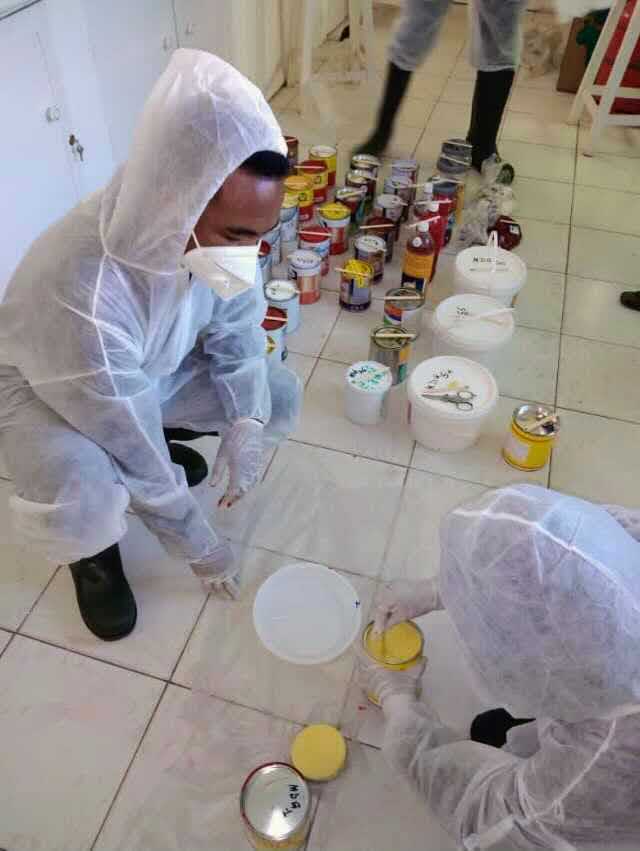
Routine mycotoxin screening uses substantial advantages that dramatically boost farming safety and security and quality. Mycotoxins, hazardous substances produced by particular fungis, can pollute food and position severe health risks, including cancer cells and severe poisoning.
Furthermore, constant testing assists in maintaining the stability and credibility of agricultural producers. By rigorously regulating and keeping track of mycotoxin levels, manufacturers can avoid legal consequences and costly recalls. This not just makes certain conformity with strict international safety and security requirements however additionally promotes this hyperlink customer trust fund and loyalty.

Verdict
The need of mycotoxin screening in farming items is underscored by the substantial health and wellness dangers presented by these harmful substances. Making certain customer security calls for the recognition and removal of contaminated items from the supply chain. Routine testing not just alleviates the risk of intense poisoning and chronic health and wellness problems but also supports compliance with safety standards. It improves the online reputation of producers and cultivates trust fund within the farming supply chain, ultimately guarding public health.
The necessity of mycotoxin screening in agricultural products is a vital element of public health and safety and security that warrants detailed examination. Mycotoxins, hazardous compounds produced by particular fungis, can infiltrate various crops, leading to substantial health and wellness threats for customers, such as cancer causing impacts and organ damage.Mycotoxins, harmful additional metabolites generated by particular fungi, provide a significant threat to farming products and human health.Given the considerable threats associated with mycotoxins in agricultural products, recognizing their influence on health is vital (Mycotoxin testing Services).The requirement of mycotoxin testing in agricultural products is underscored by the substantial wellness threats presented by these toxic compounds